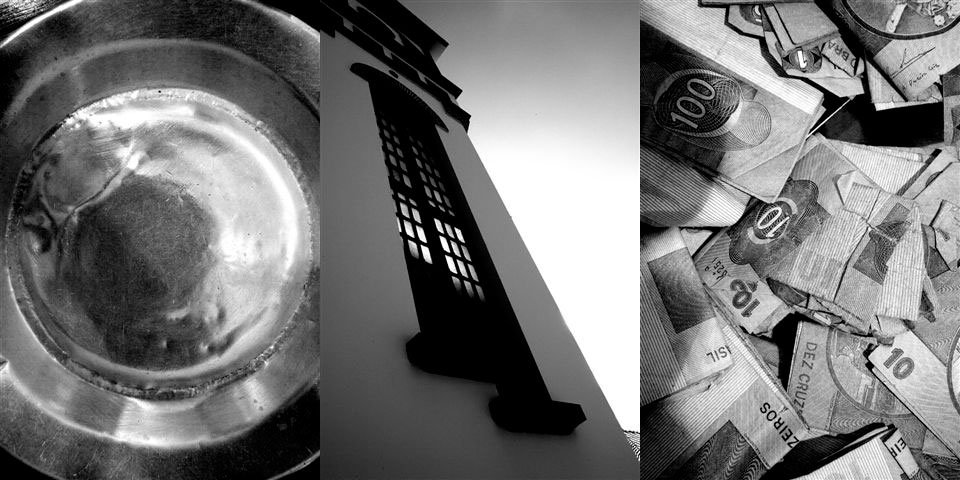
Barbacena
At its peak, the hospital housed about 5.000 inhabitants, who came from all over Brazil, packed from a train that stopped in front of the pavilions. This terrible vehicle was known s “The mad train”.
Most people never left the hospital; many arrived as children and never saw their families. Boys had been sent there by teachers and parents for being disobedient; Girls were sent as the disgrace of their families for having lost their virginity or gotten pregnant without being married; political prisoners and all sorts of unwelcome people of society, some of which had syphilis or tuberculoses.
They lived in a state of complete neglect. They wandered around the pavilions naked, bare-foot and were forced to eat raw food, served on hogs and piles of cadavers and without cutlery. To fit so many people into the hospital, the beds were removed and hay was spread all over the floor. This was a suggested practice for such hospitals. People would sleep together, pilled up on the floor. They had to deal with rats that bit them, their own faeces and urine and died from diarrhea, malnutrition, dehydration and many other diseases. It’s estimated that around 60 thousand people died at that hospital. Sixty deaths per week, 700 per year.
Many former interns refer to a tea that was served frequently around mid-night, “strangely”, on the next day; many were found dead and pilled up on the corridors and the patios of the hospital.
 Previous page